
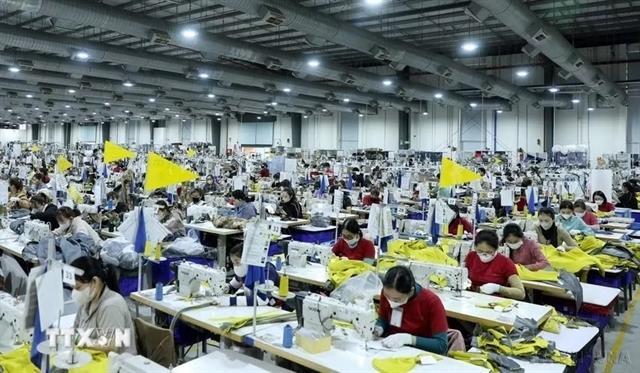
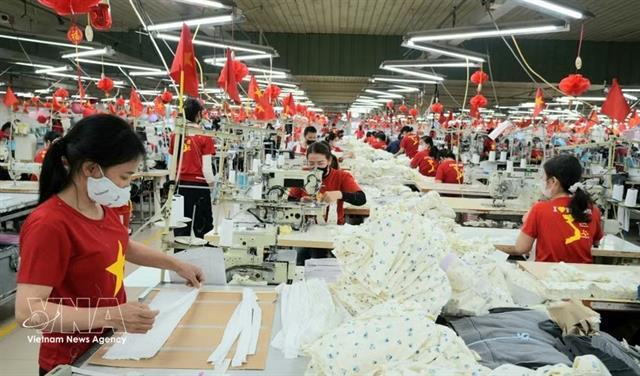

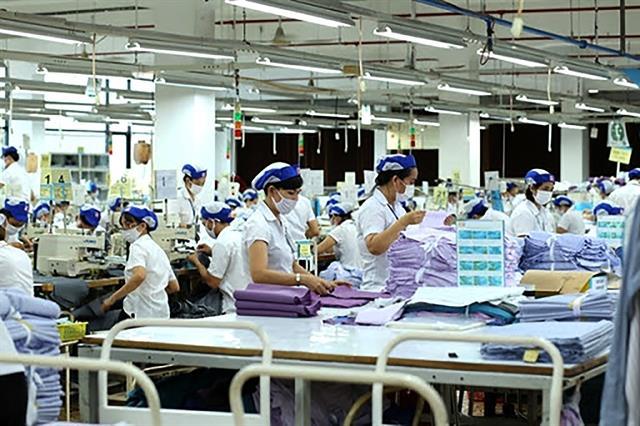
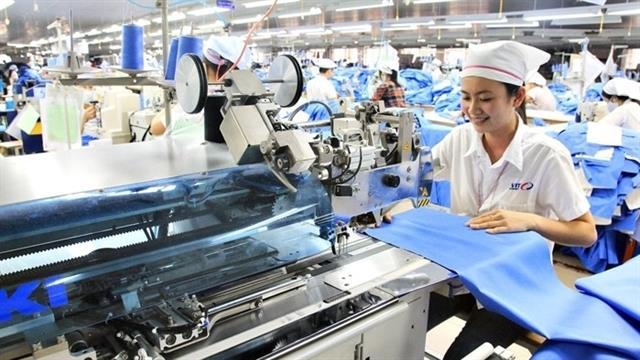
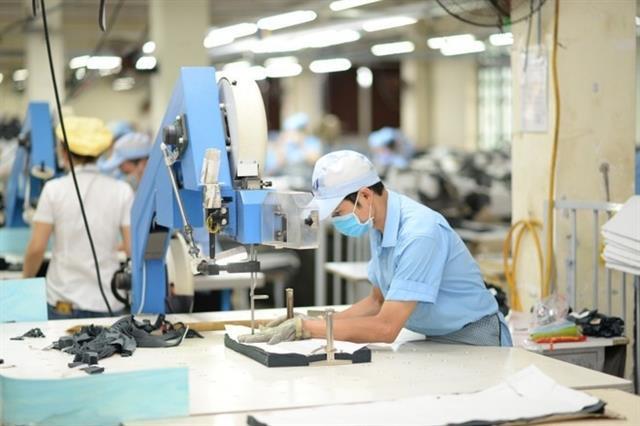
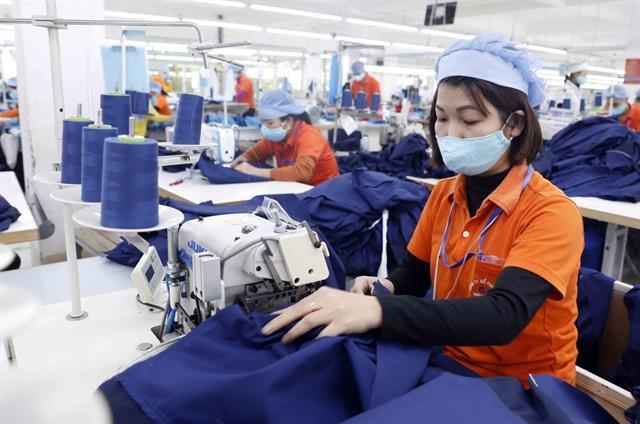
Some 400 brands from 11 countries and territories are taking part in the 24th Việt Nam International Textile & Garment Industry Exhibition that opened in HCM City on Wednesday.
Data shows that the textile and garment sector maintained its growth momentum in the first nine months of this year. The industry''s total export turnover reached an estimated US$35.721 billion in the first nine months of this year, up 3.3...
Experts said the US$48-billion target should also be viewed as an opportunity for Việt Nam''s garment and textile industry to improve productivity and increase value added for more sustainable competitiveness.
Deputy Prime Minister Phạm Gia Túc urged textile, garment and footwear industries to accelerate the adoption of science and technology, innovation, digital transformation and e-commerce to improve productivity and product quality, while expanding sustainable manufacturing practices that meet ESG standards.
Market analysts said that although global demand remains relatively stable, the sector continues to struggle with higher input costs, including wages and logistics, while selling prices remain under pressure due to weak bargaining power.
Supply chains are under strain from stricter compliance requirements, rising logistics costs, tougher standards imposed by international brands, rapidly changing purchasing policies in major markets, tariff measures and the growing emphasis on sustainable development.
The latest machinery, technologies, feedstock, and solutions for the textile and garment and footwear industries are on display at four annual expos that opened in HCM City on Wednesday.
Việt Nam’s textile and garment industry has made its mark in Europe’s premium segment by joining Paris Première Vision 2025 – an international fashion trade fair in France.
According to the Vietnam Textile and Apparel Association (VITAS), the industry has expanded its export reach to 132 countries and territories this year, up from 104 in 2024.
Facing rising demand, tariffs and supply chain pressures, Việt Nam’s textile sector eyes automation, domestic sourcing and digital traceability to stay globally competitive.
This year, the footwear industry continues to target exports to Africa, Asia, Japan, Europe and the US, while also taking initial steps to engage with major e-commerce platforms like Alibaba and Amazon to open new sales channels.